Atomic Habits: Seeing Through the Script Someone Else Wrote
What you see standing at the counter isn’t the bag. It’s the picture a brand spent thirty years of ad money writing for you. You aren’t buying the leather. You’re buying the “her” inside the story.
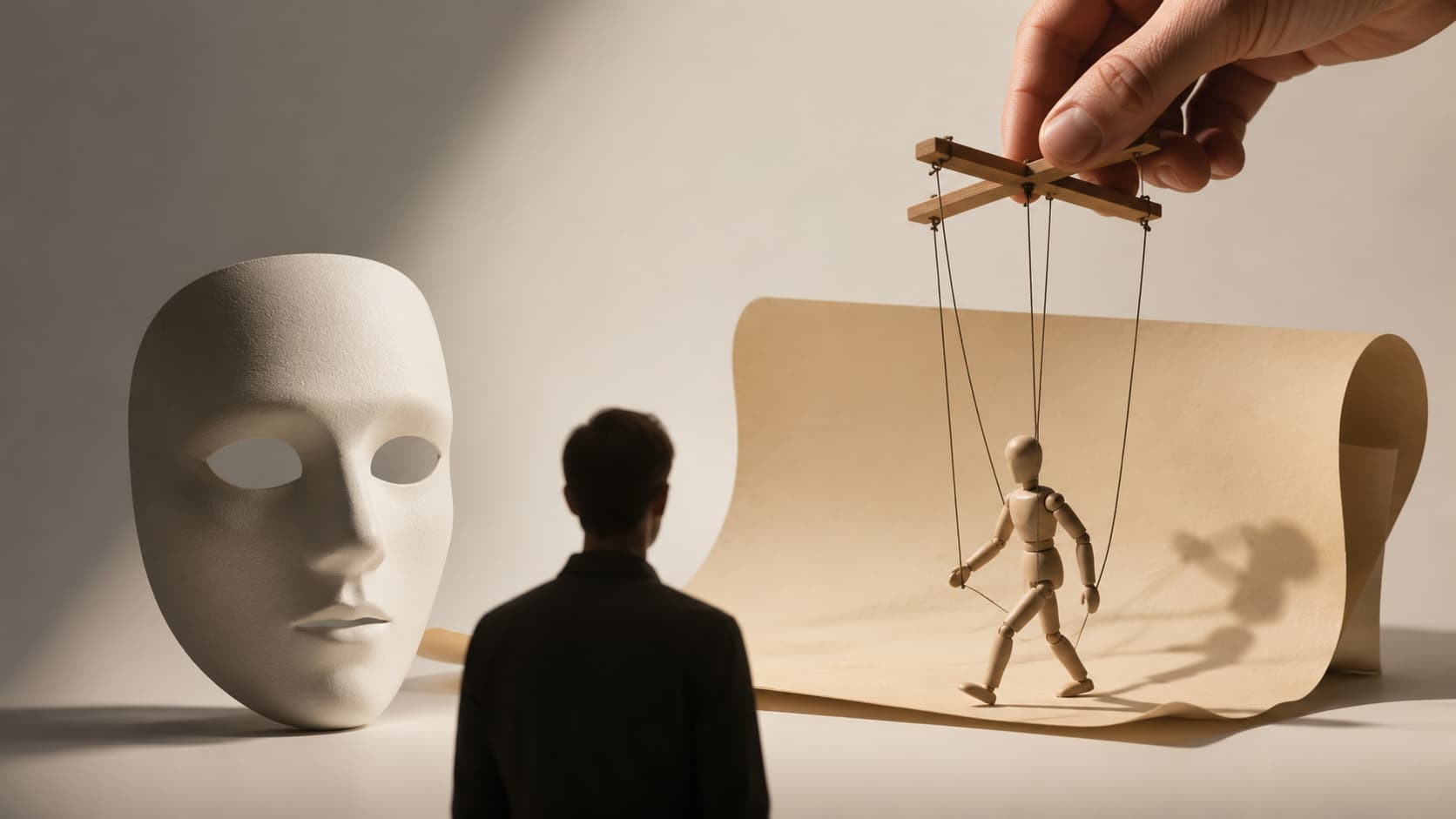
Behind every “I want that,” there stands an invisible author.
A story can’t be deleted, but it can be replaced. Swap the script someone else wrote for one you write yourself.
There was a man in England named Allen Carr who helped tens of millions of people quit smoking with a single book, “The Easy Way to Stop Smoking.”
He did only one thing: he tore down the story about cigarettes inside a smoker’s brain and installed a new one.
The smoker believes “a cigarette after a meal beats being a god” — he tells you that’s just your body detoxing. The smoker believes “smoking relieves stress” — he tells you that’s nicotine manufacturing the very anxiety it then relieves. The smoker believes “I smoke because I enjoy it” — he tells you that you don’t enjoy it, you’ve been fooled.
Change the story, and the craving collapses.
When the smoker looks at a cigarette again, he no longer sees “relaxation, sociability, reward.” He sees “self-deception.”
The script is also a weapon of consumerism.
A young woman stands in line outside a luxury boutique, glancing up every few seconds at the bag in the window. She isn’t looking at the bag. She’s looking at a version of “her” from a script she didn’t write.
“Carry this bag, and you’re a high-end professional.”
What you see standing at the counter isn’t the bag. It’s the picture a brand spent thirty years of ad money writing for you: walking into a meeting room with it on your shoulder, crossing the financial district in heels. You aren’t buying the leather. You’re buying the “her” inside the story.
“Live in this neighborhood, and you’re a success.”
You drain six wallets not for the hundred square meters, but for the line “I live downtown.” That line was written by the developer, not by you.
“Wait at this shop, and you know how to live.”
You stand in line for two hours not for the milk tea, but for the post that says “I was here too.” That post was scripted by social media, not by you.
“Watch this show, and you have taste.” “Drive this car, and you’ve made it.” “Visit these places, and you’ve truly lived.”
These stories fill almost every “I want X” moment in your head.
Behind every “I want that,” there stands an invisible author.
And a powerful story is very hard to delete.
A therapist who had quit smoking for twenty years relapsed exactly once — the moment she got back on a horse.
When she was young, she often smoked with friends while riding. The horse, the wind, the sunlight — those cues never disappeared, they just went un-triggered for decades. The moment the setting fell back into place, her brain instantly pulled up the old story: in this scene, the next step is to light up. The craving came back to life in an instant.
A story can’t be deleted, but it can be replaced.
“I’m carrying this bag because I loved it the first second I saw it.”
If the new story makes you suddenly unable to go through with it, that means you didn’t want the bag.
“I’m living in this neighborhood because I’m betting on the asset.”
“I’m waiting at this shop because this is the best milk tea I’ve ever had.”
This is the new story you wrote, not the script someone else wrote.